Saturday, July 19, 2014

Squeal........................... It's HARVEST TIME!

It's that time of year we have all been waiting for...we are starting to harvest.  Get your canning supplies in gear and buy your bottles.  Before long we will be bottling beans, tomatoes, and oh so much more.

In the meantime, here is what has been going on for the past month, along with pictures.  It is AMAZING how much the garden has grown since the last time I took pictures -- I'm awestruck!

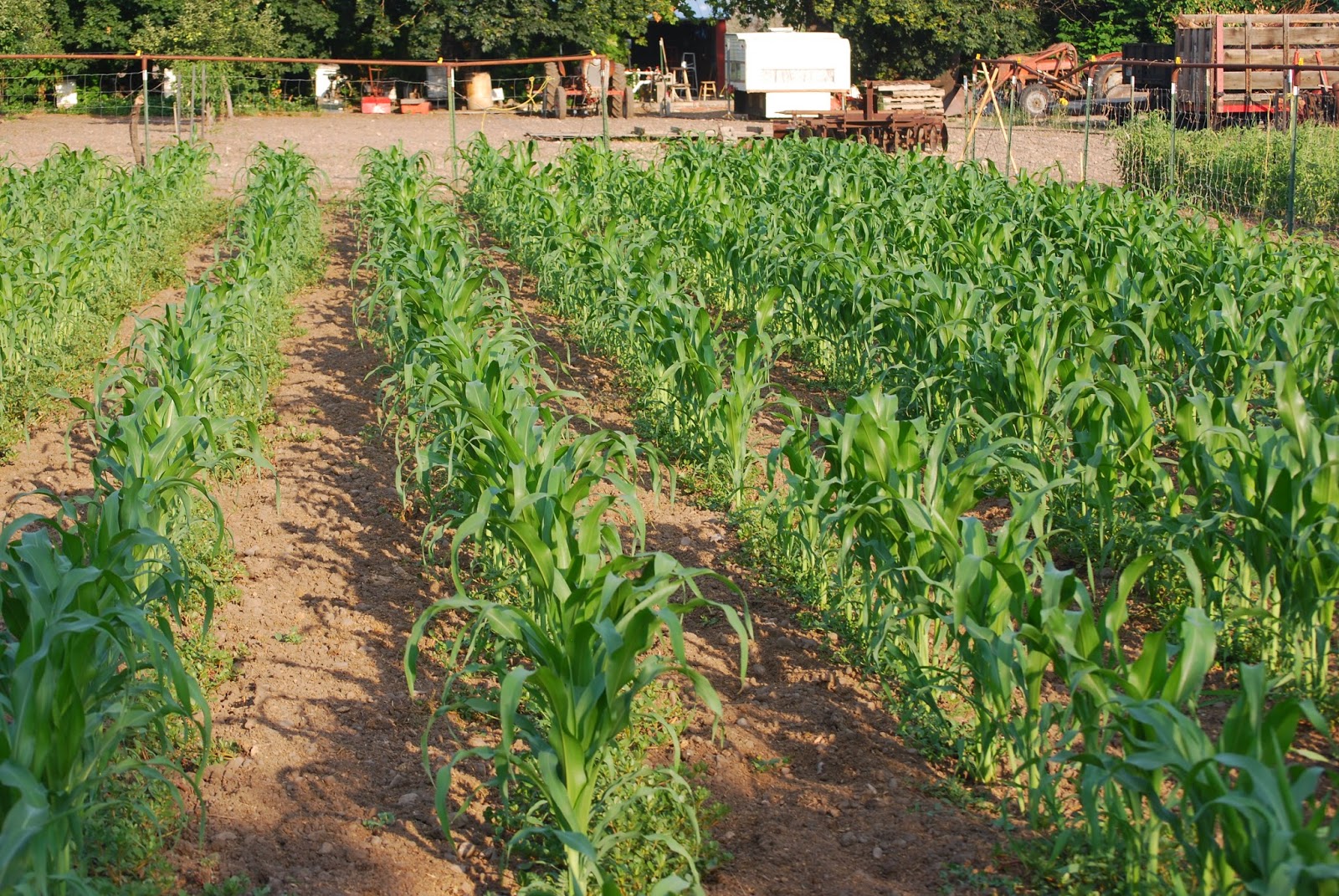
We planted corn each week in June until the first week in July (June 7, 14, 21, 28 and July 5).

Thinned carrots on June 28th.

Got our first harvest of peas July 5th and each group has been able to harvest some peas, so a total of four harvests of peas so far.

We have harvested kale and swiss chard and lettuce and beets and 4 cabbages.

We twined up tomatoes on June 28, July 5th, and July 12th.

We fertilized the corn on July 5, 12 and 19th.

We have been weeding our little hearts out!

Pulled the suckers off the corn on the same day that we fertilized them.

Pruned tomatoes as well.  Pruned them on July 8 and 12.

Will be harvesting garlic soon and let it dry for a few weeks.

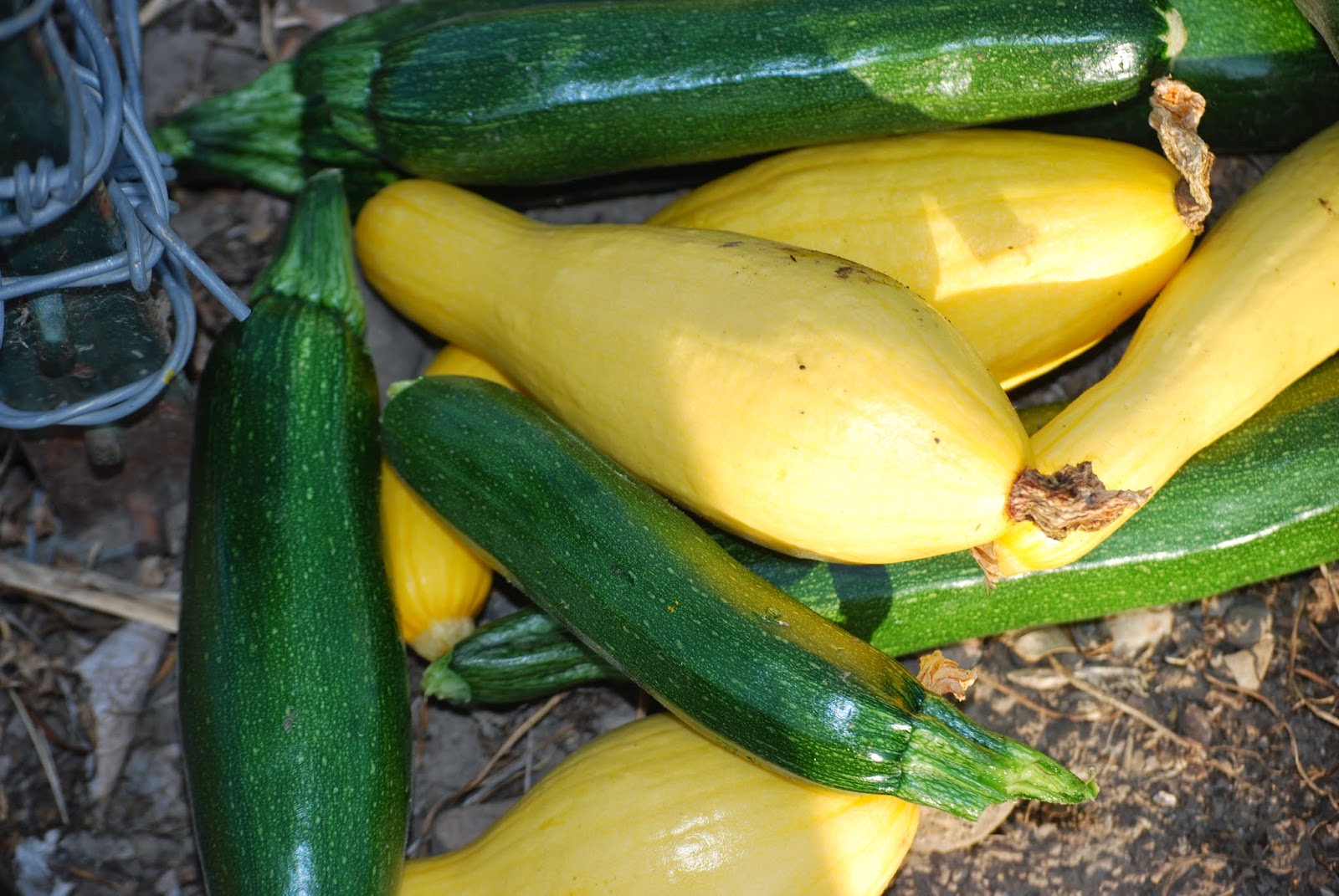
Today we weeded at the Scotts' garden and harvested some zucchini, eggplant, our first small batch of green beans (get your canners ready), lettuce, and a cabbage.

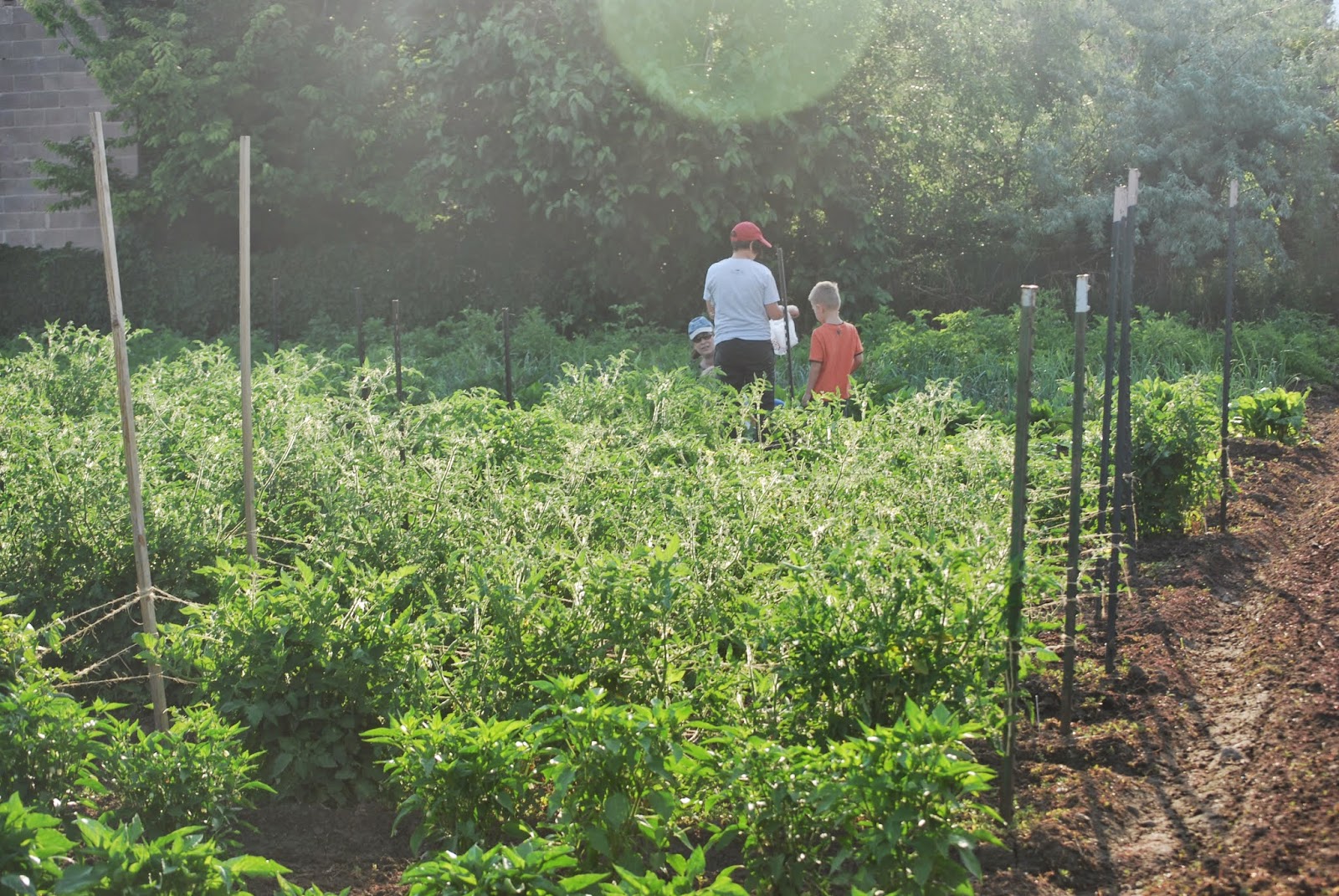
All the gardens have BURST and JUMPED!  We are in full bloom!  Remember the pictures I put up just a couple of weeks ago of the potatoes and the beautifully tilled rows.  Well, they have grown so much that we can't even get a tiller in.  But, that is GOOD, right?

Enjoy the pictures!

Also, here is a link to Jennifer Sumsion's website that has some great recipes (be sure to try the eggplant parmegan and the yummy chocolate cake that you make using beets -- yes, BEETS, and it is SCRUMPTIOUS!   http://jennifershomecooking.weebly.com/

SCOTTS GARDEN - 7/19/14:

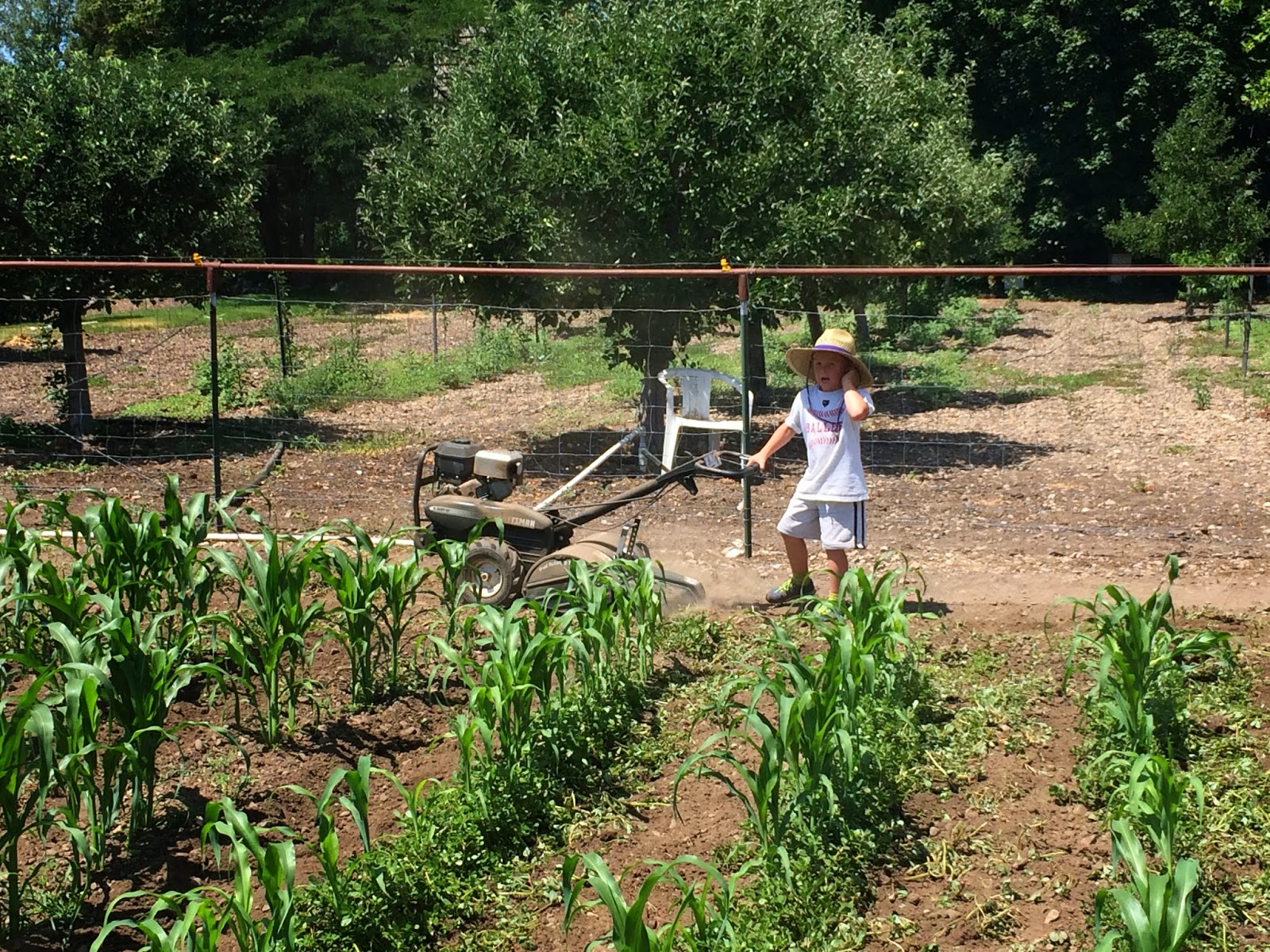
Brogan Heward helping with the tilling


Little Tiller -- Ethan Heward


These are the weeds that never end....


The Captain of our Ship!


Getting excited!!!!!


Apricots


Basil


Dill

Grapes -- not technically part of our community garden, but beautiful, huh?

Plums


Harvested zucchini today


Beautiful plums


PACK GARDEN - 7/19/14

Potatoes

Onions, beans, tomatoes, eggplant

Onion


Beans


WE HAVE BEAUTIFUL MELONS!


Peppers

Hot pepper -- sidewise (sorry)

Slenderette Green Beans -- Best Beans on the Planet!


Eggplant harvest


Green Bean Harvest

PACE GARDEN - 7/19/14:
Popcorn


Beets from the Wheatley Garden


If anyone has good recipes to share using any of the garden produce, please send to susan_wheatley@comcast.net and I will post.  Also, for those of us who are not used to fresh veggies straight from a garden, would someone please send to me "how to" step-by-step instructions on how to cook things like swiss chard, beets, cabbage, beet greens, eggplant, and everything else we have in the garden.  I would happily put it on the blog.  Ready, set, GO!!!!

Russian Chicken Recipe

Was reminded this morning that although I posted the recipe for bottling apricot pineapple jam, I didn't post the recipe for Russian Chicken that you can make with the jam.  Here it is:

RUSSIAN CHICKEN

1 small bottle of Russian or French Dressing
1 small bottle of apricot or apricot pineapple jam
1 package of Lipton Onion Soup Mix (or make your own -- if you want the recipe, let Susan know)
Boneless, Skinless Chicken Breasts

Place your chicken breasts or pork chops or turkey breasts in a small casserole dish.

Mix the other ingredients (proportions aren't that important -- it is just an approximate).  If you like it sweeter, use more jam and if you like it more tart, use more dressing.

Mix those three ingredients together and pour over the chicken.  THAT.IS.IT.  Very easy!

Bake either in a 350 degree oven until chicken cooks through or place in a crockpot and cook for a few hours (cooks pretty quickly -- 3-4 hours).  The crockpot helps it to not dry out as much.

Serve over rice.

Yum!

Thursday, July 17, 2014

Apricot Jam Recipe

NOTE:  You do NOT have to peel the apricots!  YEH!

Take out the pit of the apricot by cutting around the center (along the line).

Throw the apricot halves into a blender.  Pulse it until your desired consistentcy (with or without chunks).

In a big pan on the stove, mix together 4 cups of blended apricot, 1 cup crushed pineapple, 1/2 cup lemon juice and 1/2 tsp. butter and 1 box of pectin.

Stir on high and bring to a full rolling boil (stirring constantly).

Add 8 cups of sugar and bring to another rolling boil.  After it comes to that rolling boil, time it for four minutes and then pour into sterilized pint canning jars, clean around the top and put on lid and ring and tighten.

Leave for 24 hours without moving or touching.

That's it -- DONE!

Sunday, June 29, 2014

Clean-up, clean-up, everybody everywhere, clean-up, clean-up, everybody do their share!

That little song that I quoted in the title of this post is something I used to sing to my kids every day.  Well, on the 24th of May, our diligent community gardeners all came together to clean out all the growing trays that we used to grow the plants from seeds.  We had so many hands show up that a few of them even went into the garden (Wheatleys) and weeded.  Many hands make light work!  Thank you to all who helped and for all those who continue to come and fulfill their responsibilities during their regular and extra assigned weeks. WE APPRECIATE YOU!


While their parents worked, these cute kidlins played in the greenhouse!


Strawberries

Strawberries!


Cabbage

Broccoli

Marigolds

Kale

Peas just getting going!

May 24th


Garden Update

Sorry I didn't get this up on the blog earlier, but here is an update of what we did and when and how much since the end of April...

June 2014
Saturday, April 26th -- Planted 4 rows of peas, a row of broccoli, 1/2 row kale, 4 rows of carrots, 2 rows of cabbage, a row of marigolds, and two rows of zinnias; Wheatley garden

Saturday, May 10th -- Planted 7 rows of potatoes (yukon gold, reds and russets), planted 1500 onions (spanish yellow, white, reds, and walla wallas); Pack garden

Tuesday, May 13th -- Planted beets, a row of beans, zinnias; Pack garden

Saturday, May 17th -- Planted 240 tomatoes; Pack garden.  Planted first row of sweet corn; Scott garden. Extra shift on the 17th -- Planted swiss chard, beets, lettuce, radishes, and spinach; Wheatley garden.

Tuesday, May 20th -- Planted peppers and second row of green beans; Pack garden

Saturday, May 24th -- Planted watermelon, cantaloupe, honey dew, eggplant; Pack garden.  Planted popcorn at Pace garden.

Tuesday, May 27th -- Planted 7 more rows of sweet corn; Scott garden.  Planted more tomatoes given to us by Provo High School.

Saturday, May 31st -- Planted the third row of beans; Pack garden.  Planted squash and cucumber hills and more watermelons; Scott garden.  Planted more onions and peppers; Pack garden.

Tuesday, June 3rd -- Planted 7 more rows of sweet corn and weeded at Pack garden.

Saturday, June 7th -- Planted 4th and final row of beans and replanted beets; Pack garden.  Weeded at Scott garden.

Tuesday, June 10th -- Planted 7 more rows of sweet corn, replanted zucchini plants and weeded at Pace's popcorn field.


Cherries!

Brother Mathews and daughter, Madeline, going home after an early morning garden assignment

Friday, June 27, 2014

VERY INTERESTING.... I didn't know this wonderful piece of information!

How to Clean After Peas in The Garden – What You Need To Know

cleaning-after-peas-2Have you heard of nitrogen fixation?
Nitrogen fixation is a process by which nitrogen (N2) in the atmosphere is converted into ammonium (NH4+). Atmospheric nitrogen or molecular nitrogen (N2) is relatively inert: it does not easily react with other chemicals to form new compounds. The fixation process frees up the nitrogen atoms from their diatomic form (N2) to be used in other ways.
Nitrogen fixation, natural and synthetic, is essential for all forms of life because nitrogen is required to biosynthesize basic building blocks of plants, animals and other life forms, e.g., nucleotides for DNA and RNA andamino acids for proteins. Therefore nitrogen fixation is essential for agriculture and the manufacture of fertilizer. (From Wikipedia).
Peas are a part of the Legume family of plants. This family’s most common plants include peas, beans, peanuts, lentils, alfalfa, and soybeans.
Those plants have a special ability to take nitrogen from the air and store it within nodules in their root system. The nitrogen helps the plant grow and compete with other plants in the garden and when the plant dies the fixed nitrogen is released to the soil and becomes available to other plants.
It is all part of the wonderful cycle of nature!

Lets take a closer look….
cleaning-after-peas-1
 I dug up some of the roots of my peas. Can you see the nodules? They almost look like little clove buds. You will find few of them on the root system of every pea or bean plant in your garden.

cleaning-after-peas-5 Another look….

cleaning-after-peas-6
And another.

What you should do….
In order to take advantage of this wonderful natural fertilizer you have to make sure to leave the nodules in the soil.
cleaning-after-peas-4
When your pea plants start to die…

cleaning-after-peas-7Instead of yanking the plant out of the soil (like we do with so many other plants) make sure to cut the stem at ground level…

cleaning-after-peas-8Toss the upper part in the compost pile and leave the root system in the soil. The nitrogen will release into the soil and will become available for whatever you are going to plant there next.
Make sure to plant your peas and beans in different areas of the garden every year so your entire garden will benefit from them.
Remember to care for your soil, in return it will take care of your plants.
Happy Gardening.